
Wine Tasting in Valle d'Itria, Puglia
Wine Tasting in Valle d'Itria, Puglia
Why This Valley Grows Such Serious Wine
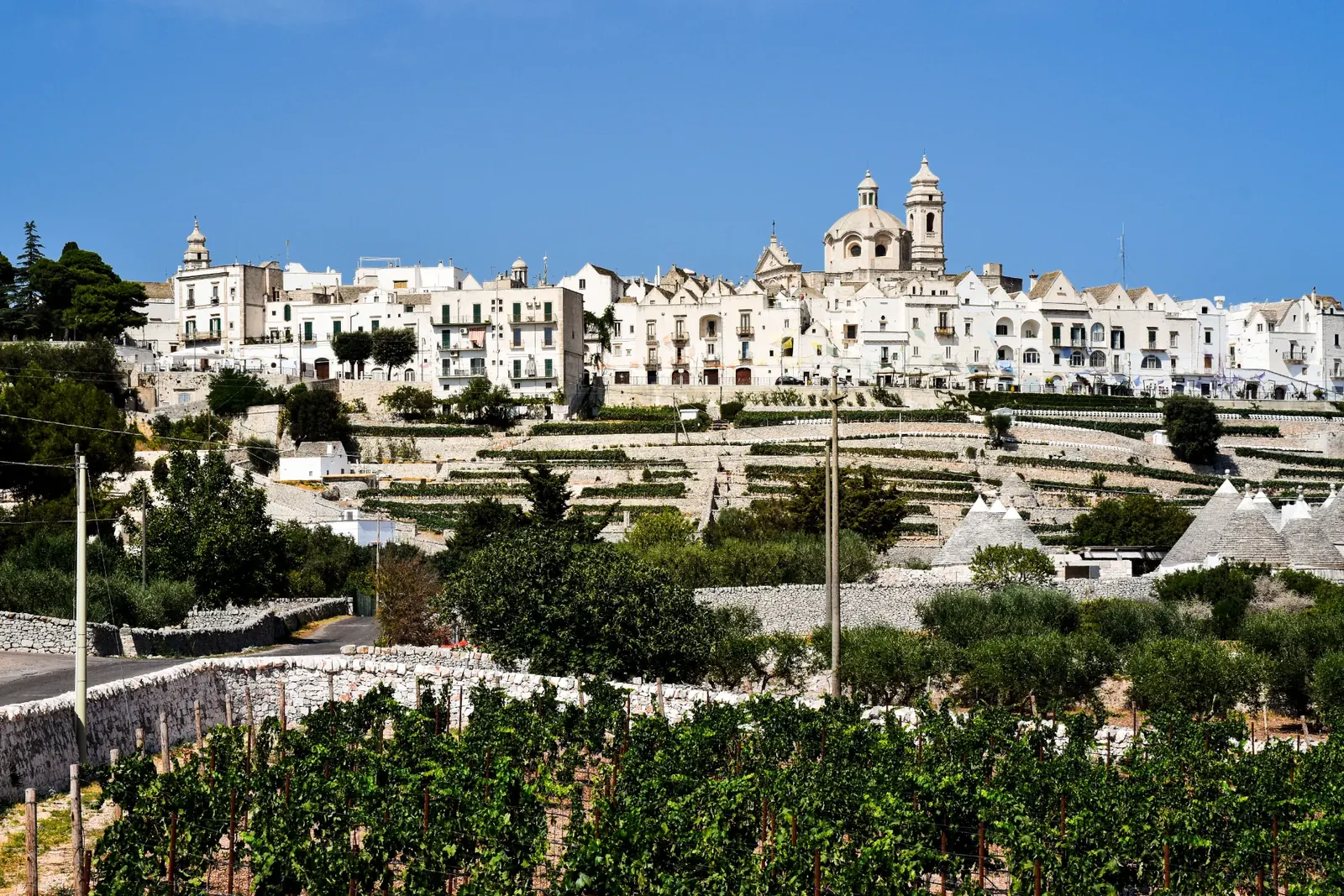
The Valle d'Itria looks the way most people picture Puglia: dry-stone walls, whitewashed masserie, and vineyards stretching between trulli. That landscape isn't just scenic — it's the reason the wine is good.
Rocky, well-drained soil and long, hot summers push vines to work harder, concentrating flavor in the grapes. It's the same logic that makes Primitivo and Negroamaro, Puglia's two signature reds, so bold. We cover both varieties in depth in our guide to Salento's wine heritage.
What makes Valle d'Itria different from Salento, where that guide is set, is proximity: wineries here sit minutes from Alberobello and Locorotondo, making a tasting easy to fold into a day already built around the trulli.
What a Tasting Actually Looks Like
Most tastings in this area happen at working masserie, fortified farmhouses that double as wineries. You're rarely in a sleek tasting room — more often a stone cellar or a courtyard under old olive trees.
A typical session pours three to five wines, usually moving from lighter whites through rosés to the bigger reds. Local food comes alongside almost every pour: taralli, cured meats, cheese, olive oil for dipping bread.
Expect it to run 90 minutes to two hours once you count the walk through the vineyard most wineries include before the tasting itself.
What You're Tasting
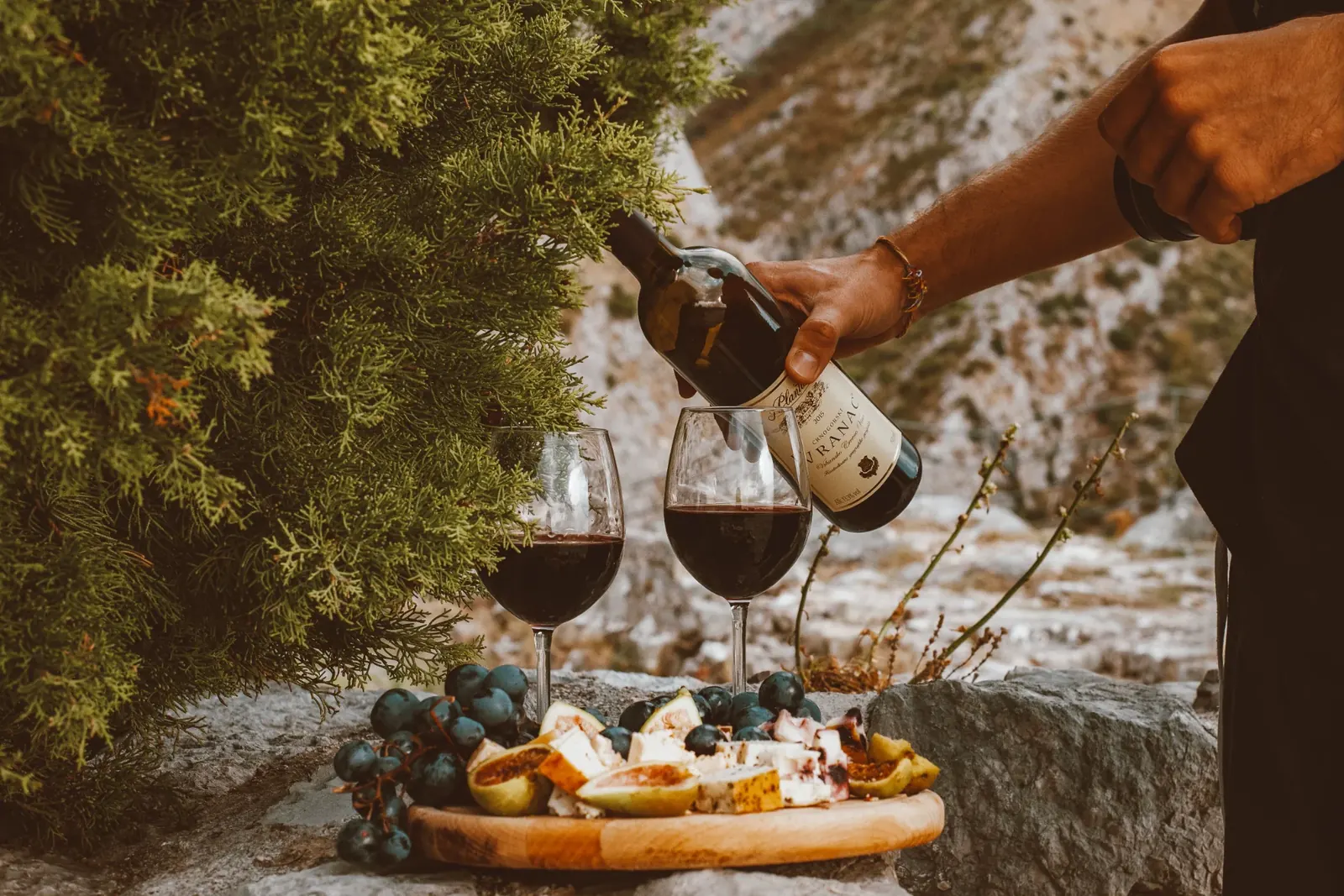
Primitivo is the bigger, riper red — dark fruit, high alcohol, a wine built for the region's heat. It's a genetic relative of Zinfandel, which explains why American visitors sometimes recognize the style immediately.
Negroamaro is more savory and structured, often used in blends but increasingly bottled on its own by producers proud of what it can do alone.
Smaller wineries in this valley also pour rosés worth paying attention to — Puglia produces some of Italy's best, and they rarely make it outside the region.
Live the Experience
Valle d'Itria: Luxury Wine Tasting Experience
A guided tasting of three wine labels at a historic masseria winery, paired with traditional Apulian products.
This is an affiliate link — booking through it may earn To Be Local a small commission at no extra cost to you.
Fitting a Tasting Into Your Day
Late afternoon works best. It caps off a morning of sightseeing without competing with it, and the light in the vineyards is better for photos two hours before sunset than at midday.
If Alberobello and a wine tasting are both on your list, plan the trulli for the morning and the vineyard for late afternoon — the towns get quieter and hotter in the middle of the day, exactly when a shaded cellar starts to sound appealing.
Book a driver, a tour, or designate someone to stay sober. Wineries here are rarely walkable from town, and roads through the countryside are narrow and unlit at night.
Frequently Asked Questions
Do I need to book a wine tasting in advance?
Yes, in most cases. These are working farms, not drop-in tasting rooms, and staff need notice to prepare food pairings and open the right bottles.
Is Valle d'Itria wine tasting suitable for non-drinkers?
Some wineries offer a food-focused version with just a small pour, but most of the experience is built around the wine itself — worth asking ahead if that's a concern.
How does Valle d'Itria wine compare to Salento wine?
Same grapes, similar climate, but Valle d'Itria's slightly higher elevation and rockier soil often give the wines a bit more structure than their Salento counterparts.