Cooking Classes in Puglia: Make Orecchiette
Cooking Classes in Puglia: Make Orecchiette
The Dish Every Class Starts With
Orecchiette — "little ears" — is the pasta shape Puglia is known for, and it's the first thing most cooking classes in the region teach.
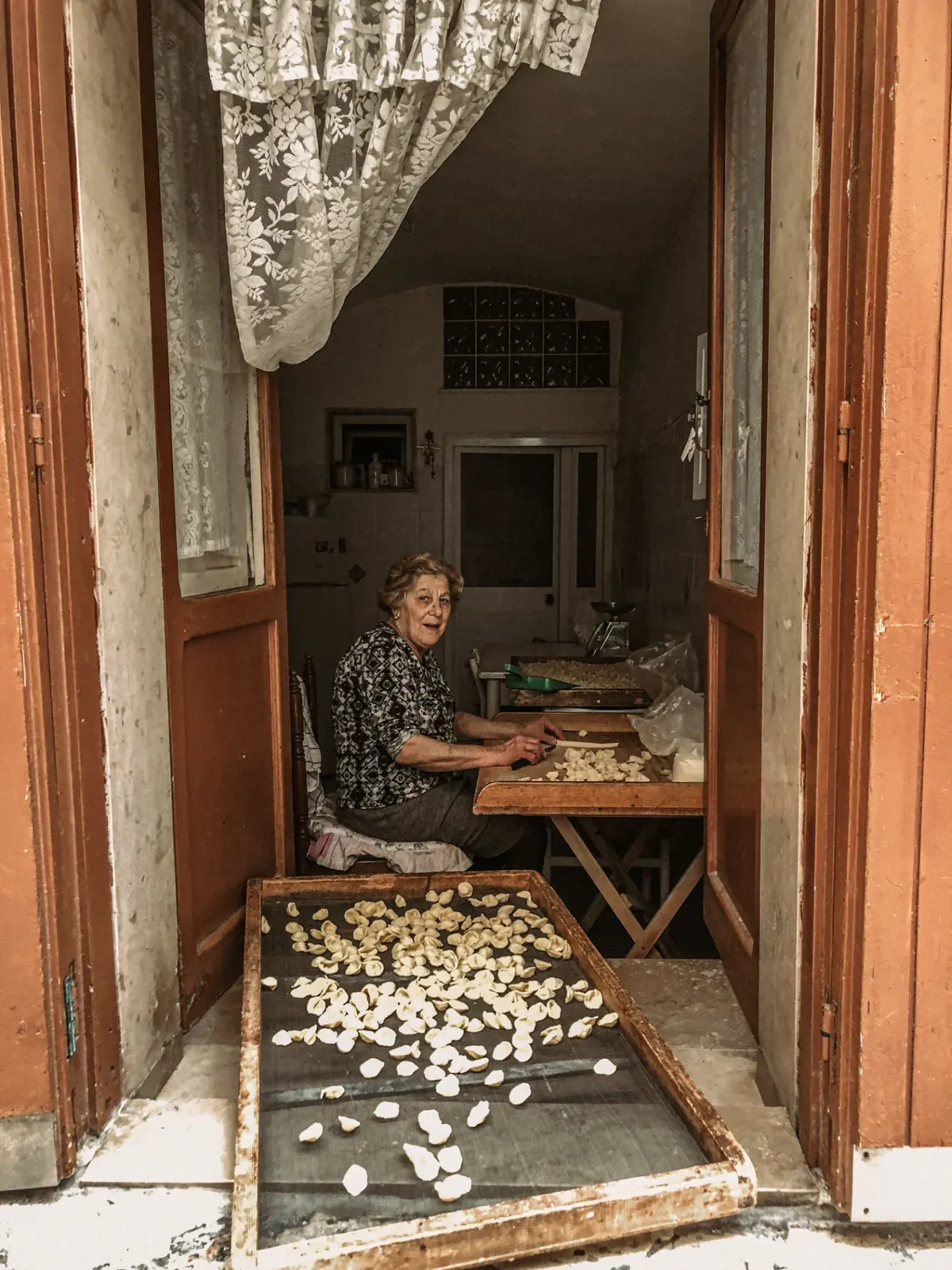
No machine makes it. Each piece is shaped by dragging a small ball of dough across a wooden board with a knife, then flipping it over a thumb to curl the edges. It looks simple. It isn't, not at first.
We cover the dish's place in Apulian food culture more broadly in our guide to traditional Apulian cuisine — this piece is about actually learning to make it.
What a Class Usually Involves
Most classes start with the dough itself: just semolina flour and water, no eggs, kneaded by hand until it holds together and springs back slightly.
From there, an instructor — often a home cook rather than a professional chef — shows the shaping motion up close before letting you try it yourself, usually badly, for the first ten minutes.
Classes typically run two to three hours and end with a meal: your own pasta, cooked and sauced, alongside other dishes made during the session like focaccia or a simple dessert.
Why a Local Kitchen Beats a Cooking School
The best versions of this experience happen in someone's actual home or a small masseria kitchen, not a formal cooking school with matching aprons.
It's less about technique and more about the pace: a grandmother's hands moving faster than yours ever will, questions answered mid-fold, and a kitchen that smells like it's been cooking the same recipes for decades.
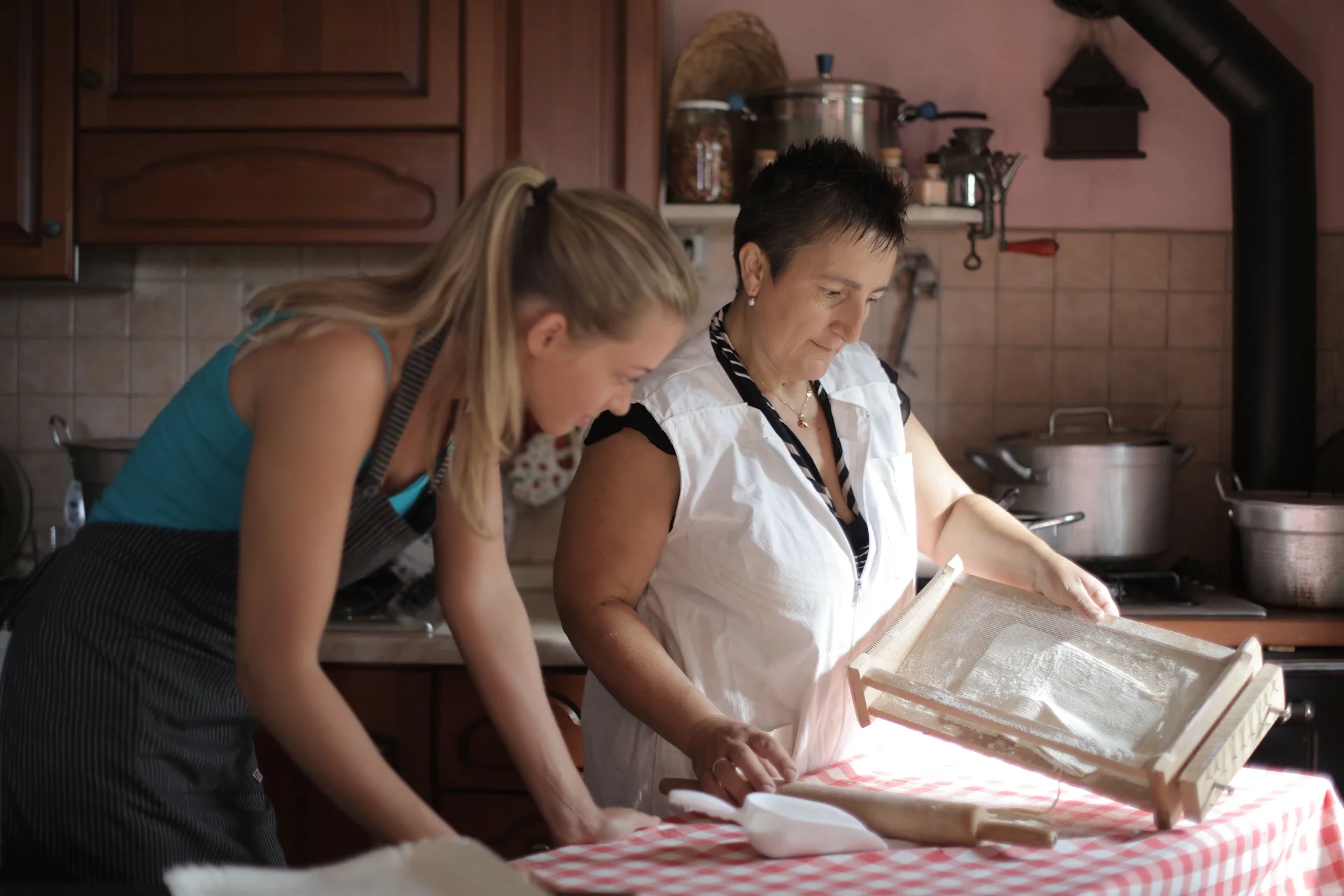
Group sizes matter here. Look for classes capped at six to eight people — anything larger turns into a demonstration instead of hands-on learning.
Live the Experience
Polignano a Mare: Apulian Cooking Class with Aperitivo
Hands-on lessons in orecchiette, panzerotti and focaccia with a local cook, in a small group in the heart of Polignano.
This is an affiliate link — booking through it may earn To Be Local a small commission at no extra cost to you.
Keeping It Up After You Leave
Orecchiette dough needs almost nothing: semolina flour (look for "semola rimacinata"), warm water, a pinch of salt. No special equipment beyond a butter knife and a wooden board.
The shaping motion comes back with practice, not memory of instructions — most people find their hands remember it better the second time they try, even months later.
It's a good dish to teach someone else afterward. Unlike most pasta shapes, orecchiette is genuinely meant to be a little uneven, which makes it forgiving to learn and to teach.
Frequently Asked Questions
Do I need cooking experience to take a class?
No. These classes are built for beginners, and the skill being taught — hand-shaping — is unfamiliar to almost everyone at the start.
Are cooking classes in Puglia suitable for kids?
Many are, especially the pasta-shaping portion, though check the specific class — some are adults-focused, especially ones that include wine.
What's the difference between orecchiette and other pasta shapes taught here?
Orecchiette is the regional signature, but some classes also teach cavatelli or troccoli — worth asking if you want a broader lesson than one shape.